


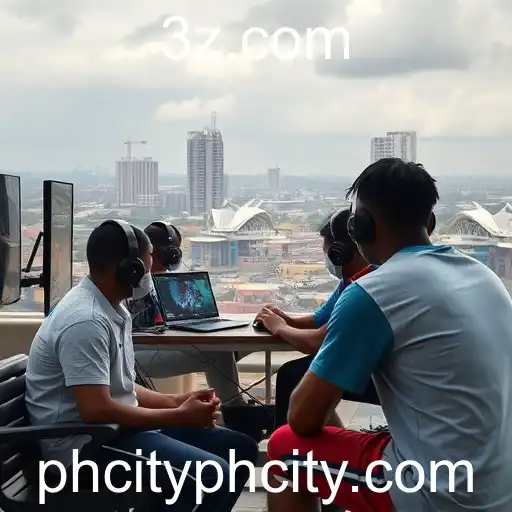
Exploring the emergence of gaming culture in Port Harcourt and its impact on local youth and economy.
Port Harcourt, commonly referred to by locals as 'phcity', has become an unexpected hub of gaming in recent years. This city in southern Nigeria is experiencing a gaming revolution that’s not just about leisure but is slowly becoming a significant part of its economic and social fabric.
Gaming culture in Port Harcourt is thriving due to several contributing factors. Firstly, the rapid advancement of internet technology in Nigeria has enabled more individuals to engage with global online gaming communities. With a younger population that's tech-savvy, Port Harcourt has become fertile ground for eSports competitions, online gaming events, and even the development of local gaming software.
In particular, the social dynamics of gaming have played a crucial role in this transition. Youth in Port Harcourt have found a platform that enables them to connect beyond geographical boundaries, fostering community while also creating opportunities for collaboration with international gamers. Gaming centers, which offer internet services and gaming consoles, have become popular hangout spots, allowing for both leisure and competitive play.
The economic impact of the burgeoning gaming sector in Port Harcourt cannot be overstated. As young entrepreneurs open gaming hubs and retailers see a spike in the sale of gaming consoles and accessories, a new niche within the city's burgeoning tech economy is being carved out. This growth coincides with government initiatives aimed at diversifying income streams away from oil dependence.
Moreover, the burgeoning eSports scene is gaining momentum in 'phcity'. Local contests are increasingly drawing attention, while young gamers are making a name for themselves in regional and international arenas. Such opportunities not only showcase talents but also promise pathways to sponsorship deals and professional gaming careers, offering a level of financial independence previously unseen in traditional career paths.
Yet, challenges remain. Issues surrounding internet accessibility and cost can be barriers, and there is still a cultural hesitation towards accepting gaming as a legitimate business endeavor. However, with persistent efforts from local governments and tech incubators, these challenges are being steadily addressed. Gaming in Port Harcourt is not just a fad but appears to be charting a course towards being an integral part of its socio-economic landscape.

